SGH and CHOP Host International Webinar on Chemsex and Substance Use in Adolescents
The School of Global Health (SGH), Faculty of Medicine, Chulalongkorn University, in collaboration with the Children’s Hospital of Philadelphia (CHOP), successfully hosted an international webinar titled “Chemsex and Substance Use in Adolescents: Context, Challenges, and Practical Approaches.” The 90-minute online session brought together experts from the United States and Thailand to discuss emerging trends in sexualized drug use among adolescents and young adults, and to share practical approaches for clinical care, harm reduction, and policy development.
The webinar opened with Dr. Kristopher Jackson, Assistant Professor at the University of Massachusetts Dartmouth, who presented a global overview of sexualized drug use (also known as chemsex or “hi-fun”) among adolescents and young adults. He highlighted the intersection of substance use, sexual health, and mental health, and emphasized that the true burden is likely underestimated because of stigma, under-reporting, and the limited inclusion of adolescents in current surveillance systems.
Timethius J. Terrell, International Development Strategist and Coalition-Building Expert, shared insights into the social and cultural contexts of chemsex, drawing on personal and community perspectives. His presentation underscored the importance of understanding lived experiences and adopting non-judgmental, harm reduction–oriented approaches when working with adolescents and young adults.
Dr. Nadvadee Aungkawattanapong, Adolescent Medicine Pediatrician at King Chulalongkorn Memorial Hospital, presented a detailed case study from the CU Buddy Clinic. Through this practical discussion, she demonstrated how clinicians can use motivational interviewing, assess substance use sensitively, and provide holistic, adolescent-centered care that integrates sexual health, mental health, and addiction services.
The policy segment was delivered by Numan Afifi, Programme and Advocacy Lead at APCOM Foundation. His presentation, “Adolescents and Chemsex: Where International Policy Meets the Clinic,” examined how global and regional frameworks from UNAIDS, WHO, and UNODC influence the services available to adolescents. He emphasized the need to strengthen confidentiality protections, adolescent rights, harm reduction, and decriminalization to improve access to care.
The webinar was moderated by Dr. Renata Arrington-Sanders of CHOP and concluded with an engaging discussion and question-and-answer session. Participants from a wide range of countries and disciplines exchanged experiences and practical strategies for addressing this complex and rapidly evolving issue.
The session highlighted the importance of integrated, youth-centered approaches that combine epidemiological evidence, lived experience, clinical management, and policy perspectives. It also demonstrated the value of international collaboration in strengthening the capacity of health professionals to respond effectively to the health needs of adolescents and young adults worldwide. Understanding chemsex among adolescents and young adults is essential for developing compassionate, evidence-based, and youth-centered responses that address the interconnected challenges of substance use, sexual health, mental health, and human rights.
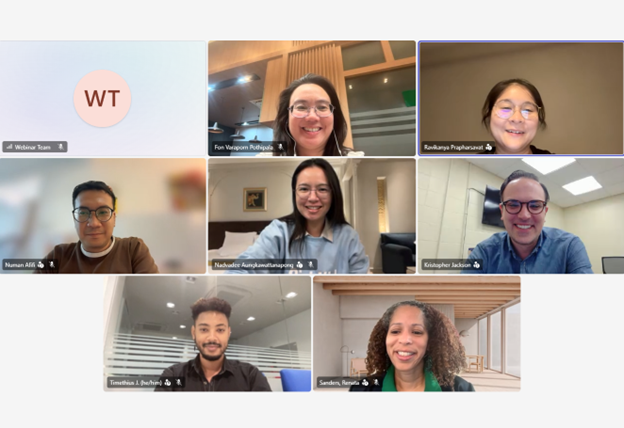
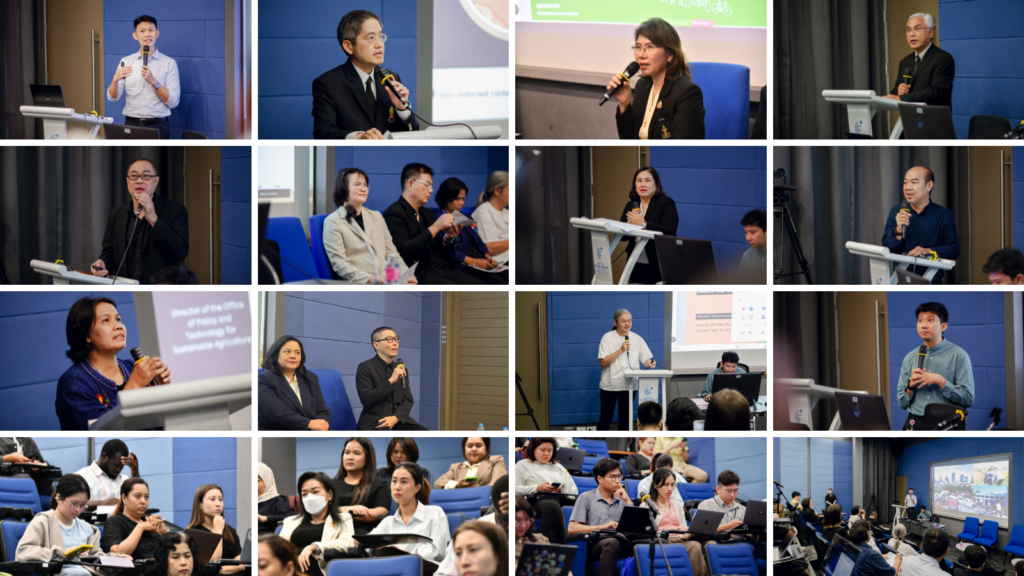
Speakers and organizers of the international webinar “Chemsex and Substance Use in Adolescents: Context, Challenges, and Practical Approaches,” jointly hosted by the School of Global Health, Faculty of Medicine, Chulalongkorn University and the Children’s Hospital of Philadelphia (CHOP).